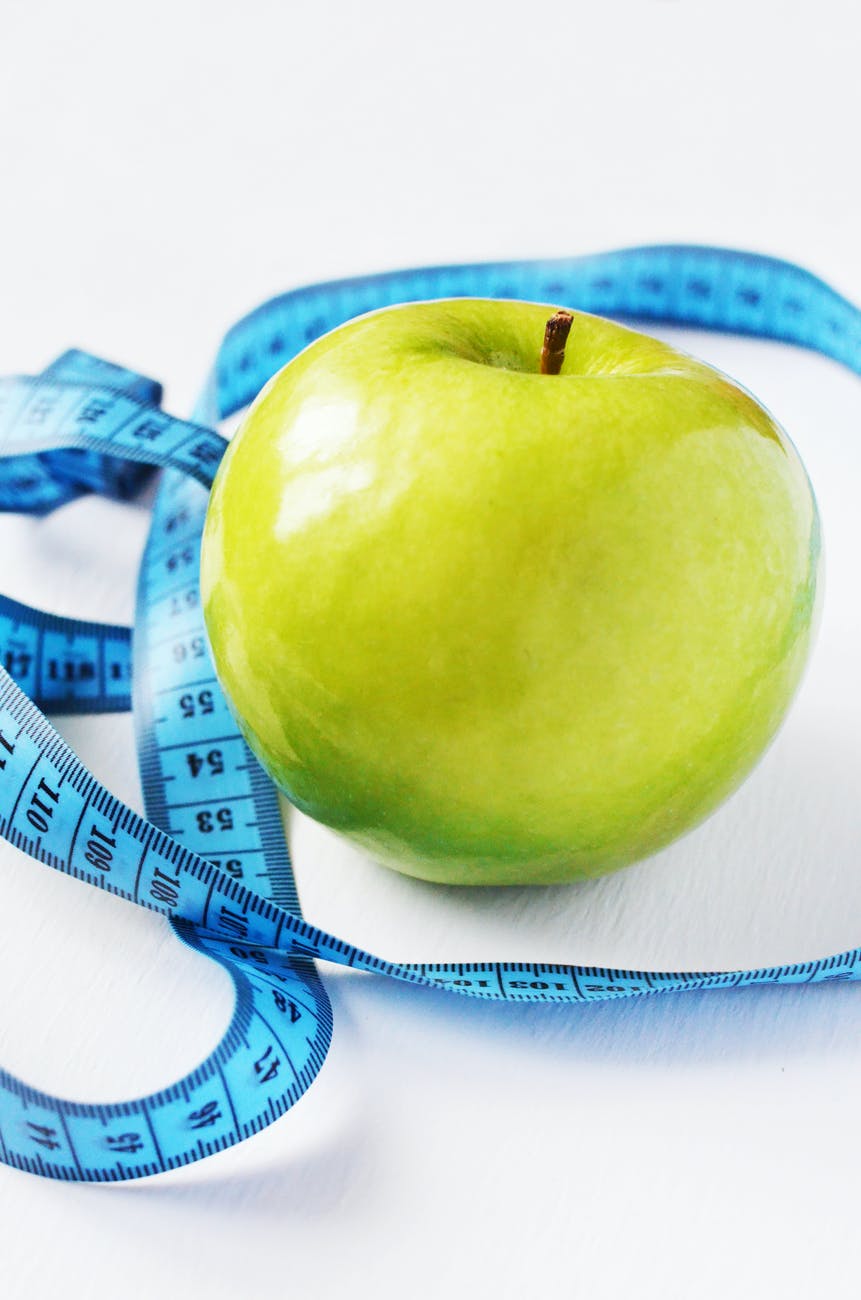
Intermittent Fasting – The Anti-aging Weight Loss Solution
Intermittent fasting has gained popularity in recent years as a natural, non-pharmaceutical solution to improving health and preventing aging-related disease like cardiovascular disease, cancer, and diabetes. It’s been shown to promote fat loss, suppress aging processes and decrease the incidence of chronic disease in animals and humans alike… The health benefits of intermittent fasting are impressive, but perhaps the most exciting aspect of it is that it can be combined with any diet to create an extremely healthy weight loss plan… Here’s how you can use this powerful weight loss tool to improve your health today!
How did intermittent fasting help me lose weight?
When I became aware of intermittent fasting, I saw it as a way to counter issues of aging. When I want to lose weight, simply eating less isn’t an option for me. Intermittent fasting is one way that has allowed me to minimize my calorie intake without feeling hungry or deprived. When done properly, it’s also been shown to help improve weight loss in other areas as well as lead to higher energy levels and a lower risk of disease. It’s really no wonder why people are using intermittent fasting as a tool to fight anti-aging. It works! And if you need proof of that, just look at my story.
What are the health benefits of intermittent fasting?
Intermittent fasting can help you lose weight, but it also has a number of additional health benefits. Intermittent fasting is increasingly being recognized as a tool for anti-aging and disease prevention. Studies have shown that it can significantly reduce your risk of chronic diseases such as heart disease, type 2 diabetes, cancer and Alzheimer’s. What makes intermittent fasting so powerful? Experts believe that it helps to extend life by reprogramming your body’s cells to reduce aging or senescence. How does it do that? Recent studies suggest that intermittent fasting triggers biochemical changes in your body, increasing oxygenation in several organs.
Does intermittent fasting affect athletic performance?
One of intermittent fasting’s benefits is that it allows you to get rid of excess body fat, which improves overall athletic performance. This form of eating also allows your body to take a break from digesting food, which can be quite taxing on your system. By taking some time off from eating, your digestive system gets a chance to recharge and reduce its workload for a period. Intermittent fasting has also been shown to improve blood flow and decrease blood pressure. Both of these factors will have an impact on athletic performance by helping maintain healthy joints and connective tissue as well as improve recovery time between workouts.
Who shouldn’t try intermittent fasting?
There are no known health risks associated with intermittent fasting. For healthy people, it’s a great way to shed pounds and keep them off. However, some doctors say that it can be risky for certain groups of people. If you are underweight or malnourished, IF could cause more harm than good. Pregnant women should not try intermittent fasting. Intermittent fasting might increase insulin sensitivity in diabetics, so consult your doctor before trying IF if you have diabetes or insulin resistance.
Top tips for making it easier on yourself with IF
When you’re first starting out with intermittent fasting, don’t start off too aggressively. Fast for 12 hours one day a week and use that time to focus on making healthier eating choices in your diet overall. For example, make sure you avoid eating pastries at breakfast or ordering high-calorie takeout. For another week or two, continue just to eat healthy but not fast longer than 12 hours. Once your body has gotten used to low-calorie days every once in a while, switch over to restricting calories 2 days a week; choose nonconsecutive days so that you can allow yourself some flexibility with your schedule. Soon enough, after weeks of weight loss success with IF, you’ll be able to fast 1 day a week and still maintain weight loss. At that point, you might consider adding an additional 24-hour fast per week.
Take Home Thoughts
After studying intermittent fasting extensively, I’ve reached one conclusion: it’s an all-encompassing weight loss solution for almost anyone who wants to shed unwanted pounds. If you’re overweight or simply want to improve your overall health, then intermittent fasting should be a key component of your fat loss regimen. Before we begin however, there are several important things you need to know. In my next post we’ll cover three questions that will help determine if intermittent fasting is right for you. Remember to hit that Follow button in order to get instant updates!
 Dr. Longevity
Leave a comment